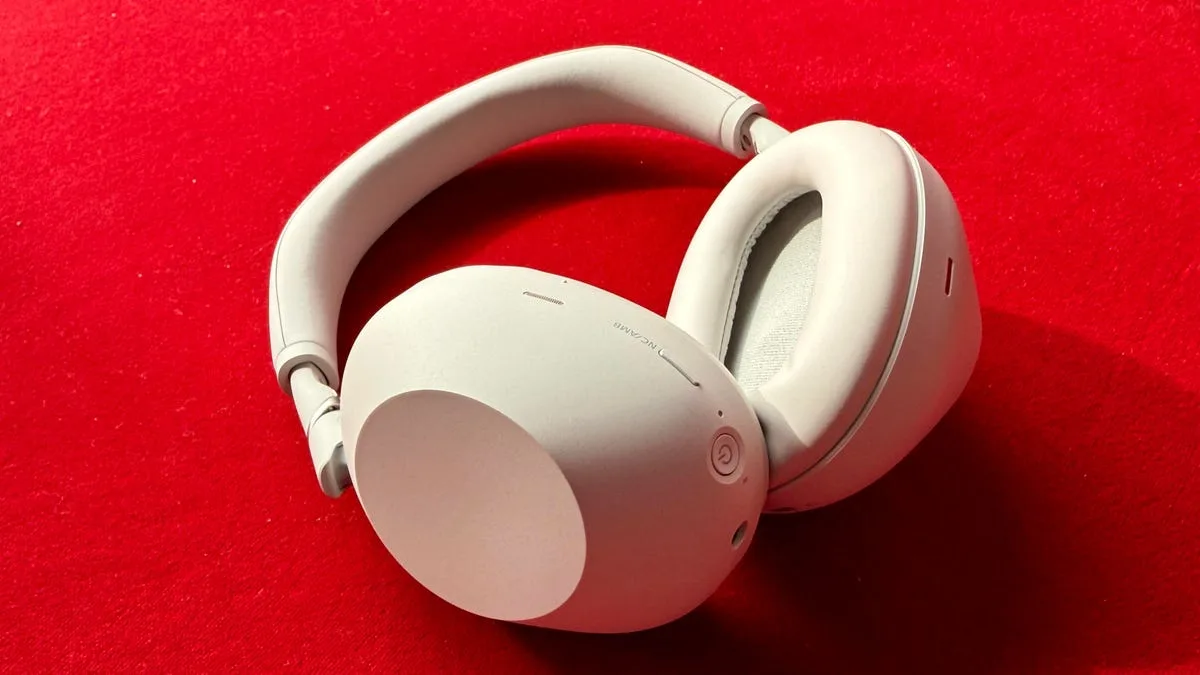
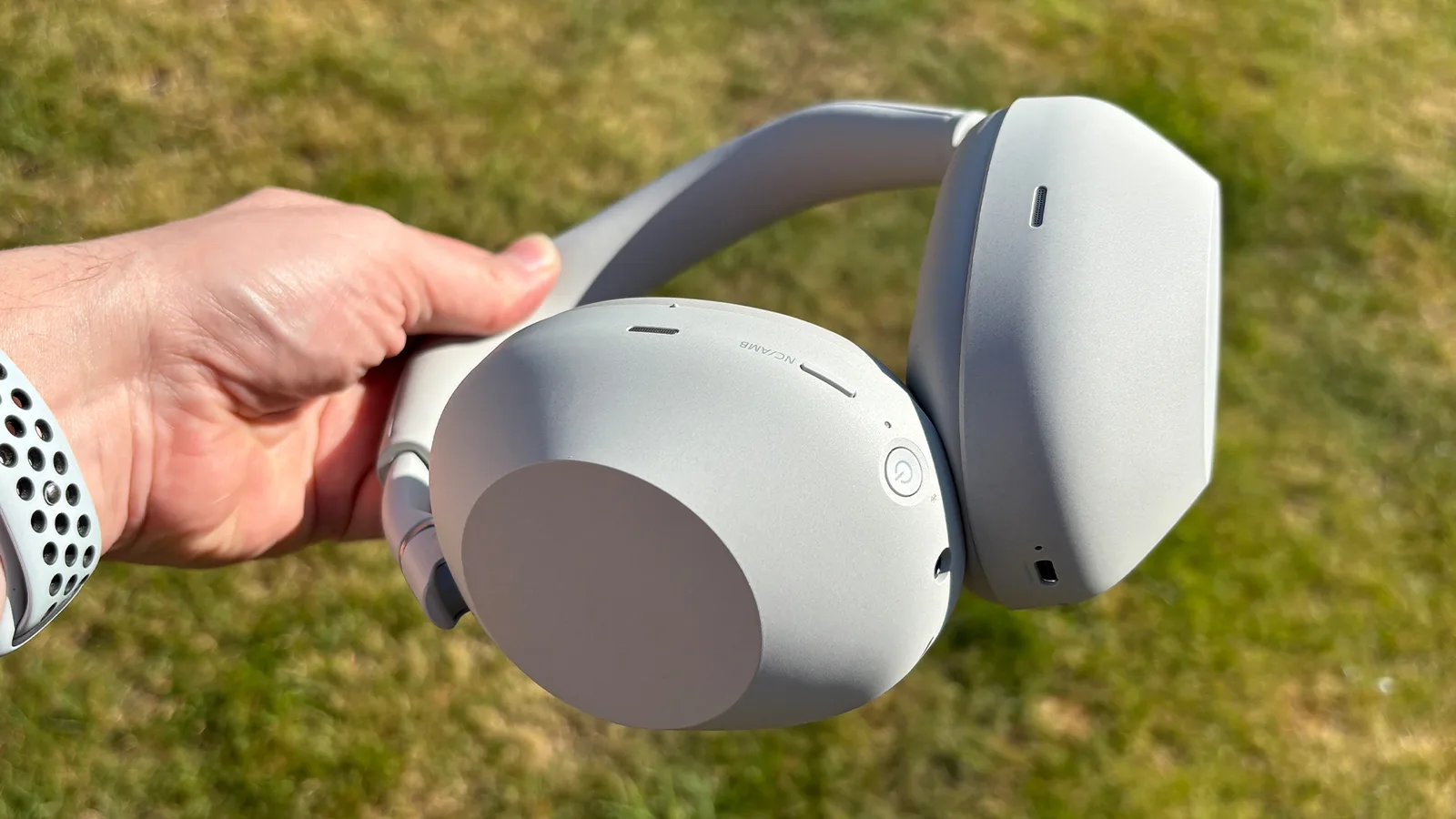
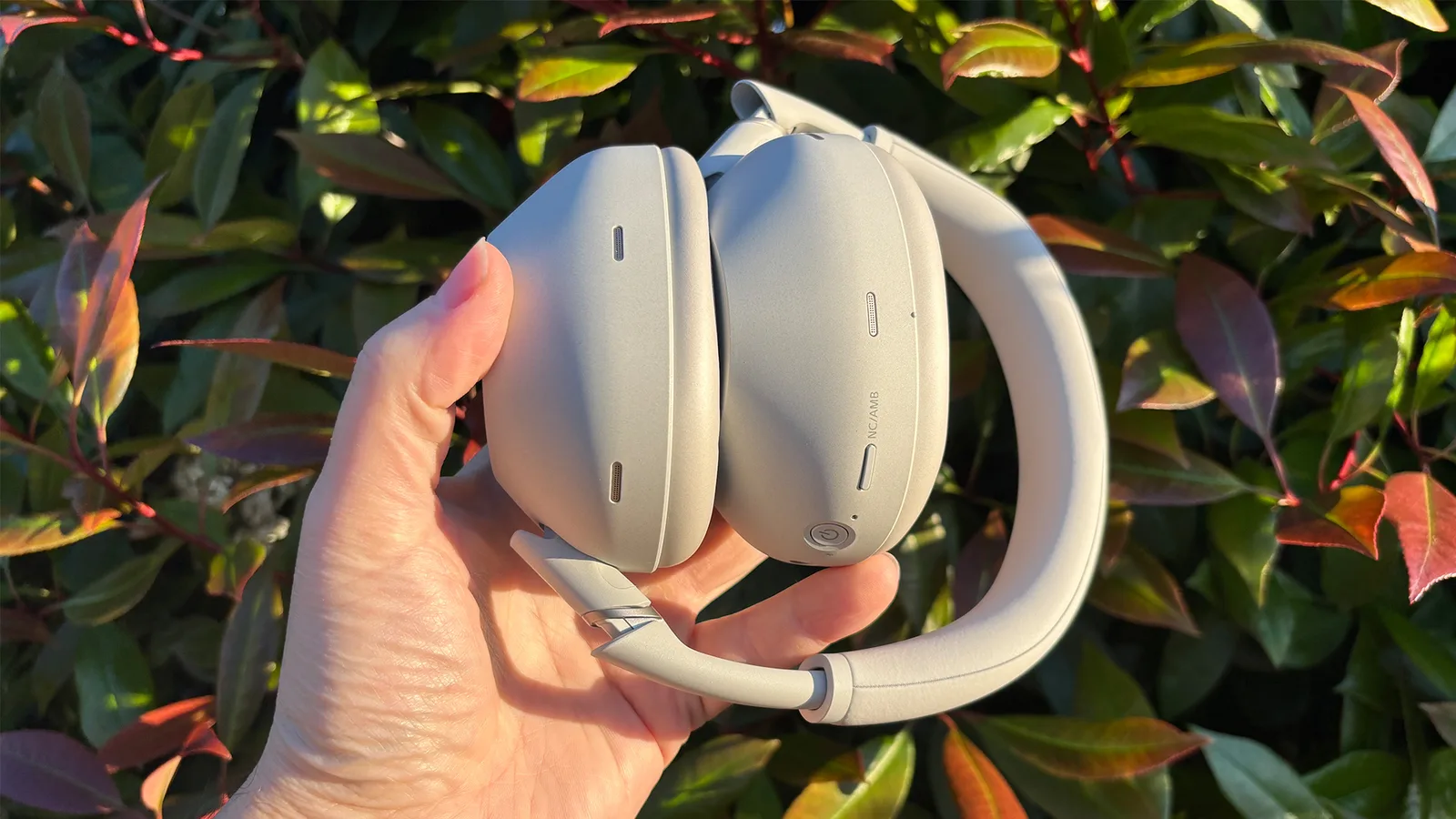
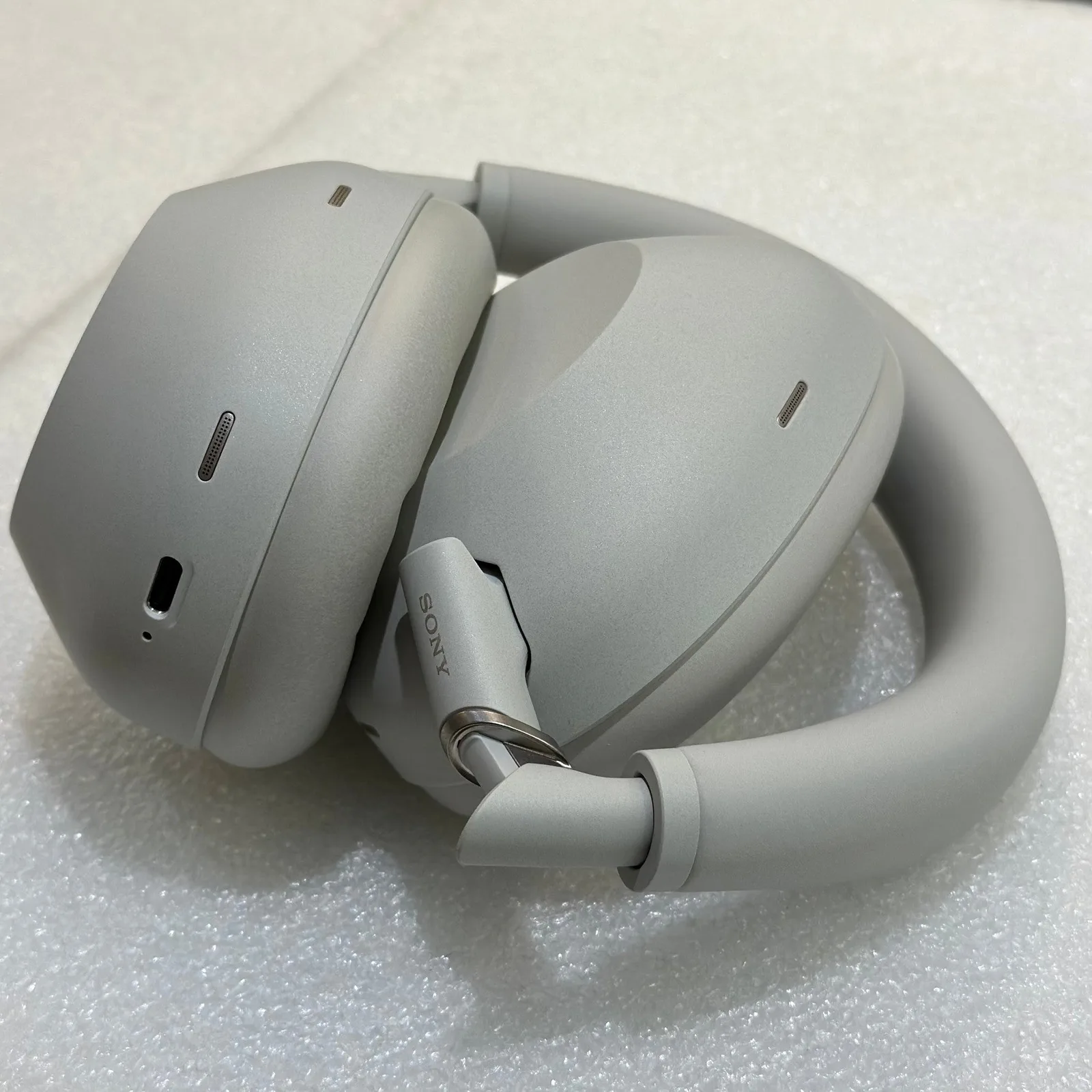
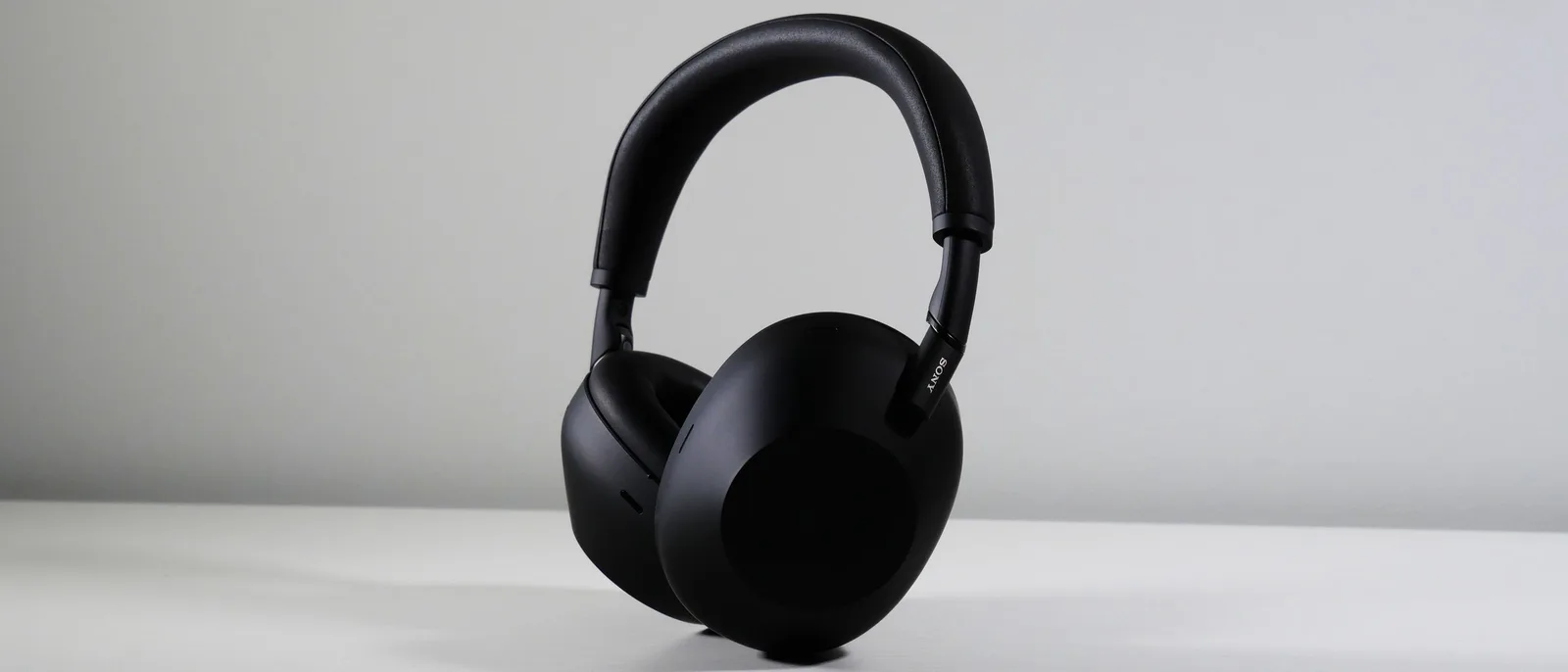
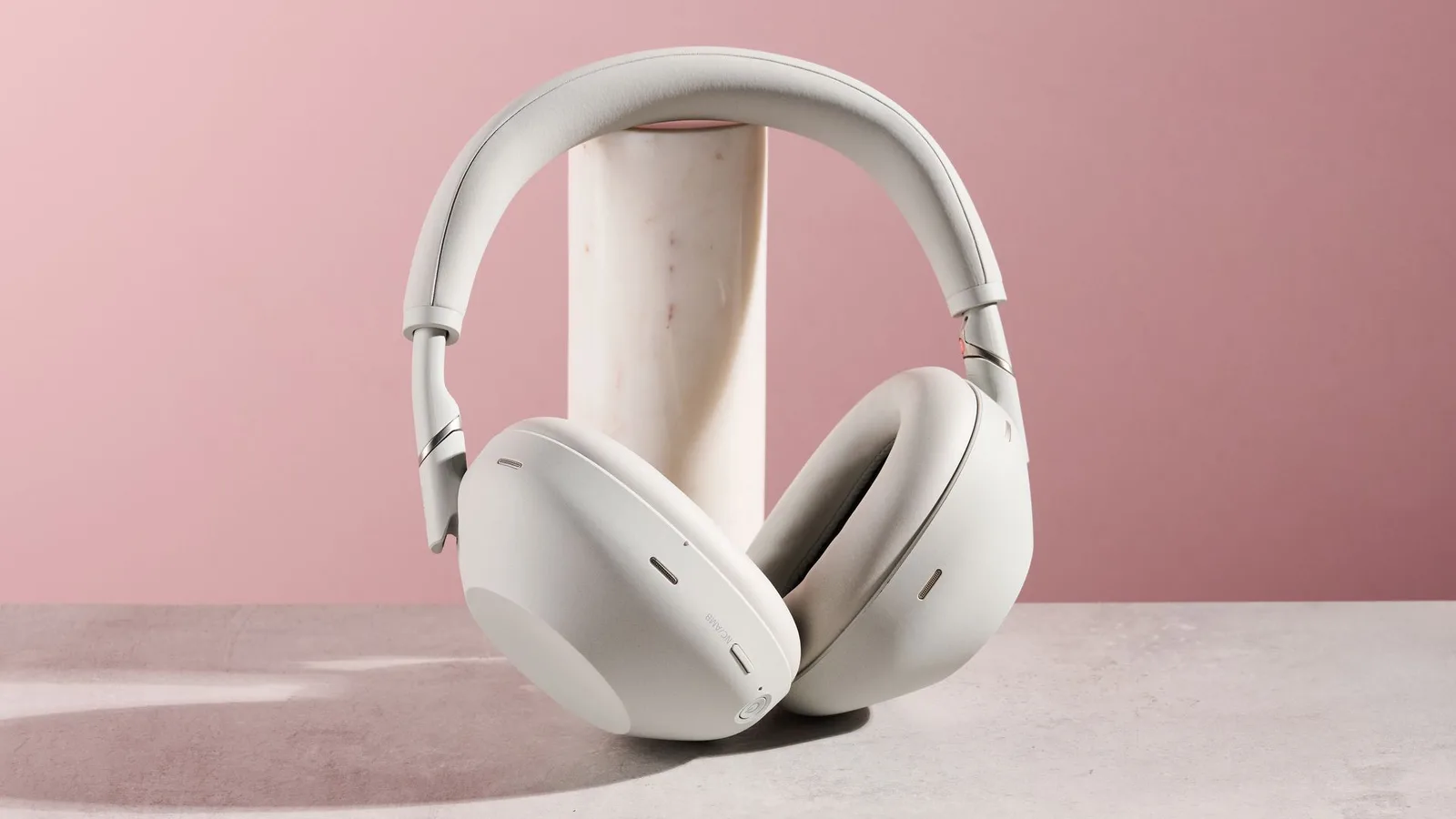
The Sony WH-1000XM6 is a powerhouse in noise-cancelling headphones, perfect for those who value exceptional battery life and portability. While the price might be steep, the performance justifies the investment for those who can afford it. If you're looking for a budget-friendly option or need USB-C audio support, you might want to explore other models.
Strengths
31.75-hour battery life with ANC enabled
Magnetic clasp case for quick storage
Exceptional noise cancellation blocks even loud environments effortlessly
Weaknesses
No USB-C audio support
Fast-charging requires optional cable
$50 price increase over previous model
Performance
Noise Cancellation
95
Battery Life
90
Sound Quality
89
Bluetooth Connectivity
88
Microphone Performance
87
Build & Design
85
Comfort & Fit
85
App & Customization
84
Key Specs
Sensitivity103 dB/mW
MaterialCarbon fiber composite
91
Sony WH-1000XM6
Based on 35 sources
31.75-hour battery life with ANC enabledMagnetic clasp case for quick storage
The Sony WH-1000XM6 has taken the crown as the latest flagship in noise-cancelling headphones, and our analysis of expert reviews shows a strong consensus that it's highly recommended. It's a significant upgrade over its predecessor, with enhancements that include longer battery life, improved noise cancellation, and a more compact design. What we found most impressive is the 31.75-hour battery life with ANC enabled, as noted by rtings.com, and the exceptional noise cancellation that blocks out even the loudest environments. The headphones' foldable design and magnetic clasp case make them ideal for travelers, and the redesigned folding hinge improves portability further. However, there are a few trade-offs. Some experts pointed out the lack of USB-C audio support and the premium price point, which may limit accessibility for some buyers. Additionally, fitting the headphones into the carrying case can be slightly tricky, and fast-charging requires an optional cable.
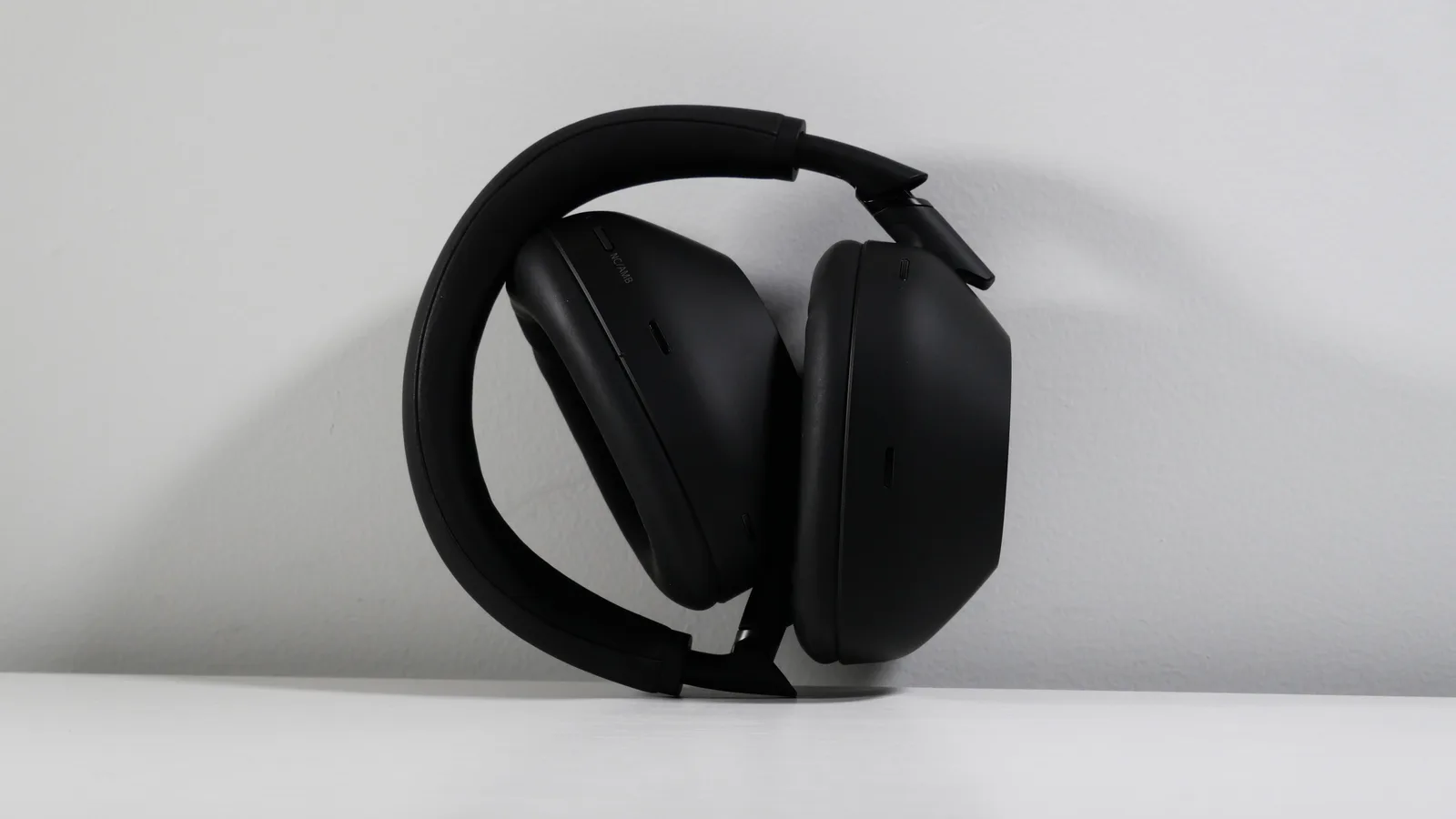
The XM6 makes a strong case for frequent travelers, and the evidence is hard to argue with. GSMArena, Trusted Reviews, and CNET all single out the compact foldable design as one of its defining strengths, and the redesigned hinge is a genuine improvement over previous generations. Croma noted that it "folds inward and flat for better durability," which addresses a fragility concern that dogged earlier models. The magnetic clasp case is a small but satisfying upgrade: RTINGS, Trusted Reviews, and TechRadar all called it out specifically, and once you've used a magnetic latch you won't miss fumbling with a zipper. The Guardian highlighted the hard fabric travel case as excellent, and Tom's Guide went so far as to call the case alone a worthwhile reason to upgrade from the XM5. Repairability is a quiet win here too, with Trusted Reviews and The Guardian both confirming the earcups are user-removable, a rare concession to longevity at this price. The trade-offs are real, though. TechGearLab found the materials feel cheaper than the price suggests, What Hi-Fi flagged that the case still requires flat storage and is larger than ideal, and CNET noted the $50 price increase over the previous model without a corresponding leap in premium feel. Trusted Reviews described the aesthetic as "bland" and launch color options are limited. If you travel constantly and want a headphone that folds flat, snaps into a magnetic case, and can be repaired when the earpads wear out, this delivers. If you're paying $449 and expecting the materials to feel luxurious, you'll be disappointed.
The XM6's noise cancellation is the headline feature, and it earns the attention. TechRadar called it "class-leading" and credited the new QN3 HD processor and AI-driven adaptation, while RTINGS described the attenuation performance as "incredible." PCMag agreed, placing it at the top of the active noise cancellation category. The QN3 chip is, according to Trusted Reviews and CNET, seven times more powerful than its predecessor, and that processing headroom shows in how the headphones handle complex, layered noise like airplane cabin roar or busy open-plan offices. CNN confirmed it blocks chaotic urban environments effectively, and Wired noted it handles Netflix streaming without neighbor distractions bleeding through. The transparency mode is strong too: The Guardian praised its natural sound and 20 adjustable levels, and 6 Months Later confirmed it holds up well for conversations. A few caveats are worth keeping in mind. LaptopMag found the ambient mode inconsistent, and MajorHiFi noted that voices aren't completely attenuated in ANC mode, which is a physics limitation more than a product flaw. The most useful piece of nuance comes from r/SonyHeadphones:
"Best used with audio playing — ANC performance is substantially weaker in complete silence."
This matters if you were hoping to use it purely as a silence machine without music running. If blocking out a plane cabin, a loud office, or a noisy commute is your primary reason for buying, this is the headphone to get.
For most wearers, the XM6 is genuinely comfortable over long sessions. CNN, GSMArena, and What Hi-Fi all confirmed all-day wearability without significant pressure points, and CNET, What Hi-Fi, and SoundGuys credited the wider, flatter headband as a meaningful improvement for weight distribution. The concave earcup design is a thoughtful change, and SoundGuys noted the wider headband accommodates larger heads more comfortably than before. Mark Ellis Reviews called it "worthwhile for all-day wearers prioritizing comfort above all," which is a strong endorsement from someone who tests a lot of headphones. The glasses situation is genuinely complicated, and reviewers are split. What Hi-Fi, Trusted Reviews, and The Guardian all said it works for glasses wearers due to the light clamping force. But TechGearLab, SoundGuys, and recordingnow.com found the clamping force creates discomfort after extended wear with glasses, and Croma specifically flagged that the shallower earcups make glasses compatibility "fiddly." Both camps are right, and the difference likely comes down to frame thickness and ear shape. RTINGS flagged instability during movement, and CNET warned the earpads can steam up in hot weather. This headphone is built for commuting, travel, and desk use, not workouts. If you wear glasses and plan to use these for eight-hour stretches, try them in person before committing.
The XM6 sounds genuinely good out of the box, and the improvement over previous XM-series generations is real. Trusted Reviews and TechRadar both praised the cleaner, more balanced tuning, and What Hi-Fi described the presentation as "spacious and musical." Moon-Audio called it "precision, accuracy, and detail like never before," which is enthusiastic but consistent with what MajorHiFi and MusicTech found when testing the expanded soundstage. TechGearLab highlighted crisp, non-harsh highs that allow comfortable extended listening, and Wired called the overall sound signature "dramatically refined." LDAC support gives Android users a genuine high-resolution path, and moon-audio.com confirmed it delivers when paired with a compatible source. The weaknesses are specific rather than fatal. RTINGS flagged minor left-right driver matching inconsistencies and narrow dips in the high-treble that affect upper harmonics. Recordingnow.com is the most critical voice here, noting sibilance and harshness in the stock tuning, a lower-mid frequency bump, and vocals that sit slightly distant and veiled.
"Sibilance and harshness without EQ"
is a fair warning, but it's also fixable. The 10-band EQ in the Sony Sound Connect app addresses most of these complaints in under ten minutes. For casual listeners, the stock tuning is enjoyable and well-balanced. If you're particular about treble presence or vocal clarity, open the EQ before writing the headphone off.
The Sony Sound Connect app is powerful, occasionally frustrating, and worth learning if you care about getting the most from these headphones. Trusted Reviews, TechRadar, and TechGearLab all praised the depth of customization on offer, and the new 10-band EQ is a genuine upgrade over the previous five-band version. The Guardian confirmed it allows full custom sound tuning, and 6 Months Later highlighted the guided EQ feature as a useful onboarding tool for listeners who don't want to tweak manually. Touch controls are a consistent strength: MajorHiFi praised the precise sliding volume gesture, Croma called the physical button placement intuitive, and Wired described them as "reliable, best-in-class." The app's weaknesses are real and worth knowing about. GSMArena called it "bloated and buggy" and flagged unskippable tutorials on first launch. LaptopMag noted that disabling ANC requires going through the app, which is a friction point for anyone who wants simple hardware controls. Accidental touch activations when adjusting fit are a recurring complaint from TechGearLab. MusicTech captured the core tension well:
"Scene-based listening may frustrate manual control preferences."
The Adaptive Sound Control feature, which automatically switches modes based on your activity, is clever in theory but annoying if you prefer to set things yourself. GSMArena recommends disabling it for reliability. If you'll spend time configuring EQ presets and custom controls, the app adds genuine value. If you want to pair and forget, it will get in your way.
Thirty hours of ANC-on battery life is the rated spec, and real-world testing backs it up. RTINGS measured 31.75 hours with ANC enabled, and The Guardian pushed past 32 hours in their testing, exceeding Sony's own claims. TechRadar and What Hi-Fi both confirmed the 30-hour figure in standard use. For most people, that means charging every two to three days, which r/SonyHeadphones confirmed for heavy users logging ten or more hours daily. The fast-charge feature is legitimately useful and not just a marketing bullet point. CNN, PCMag, and MusicTech all verified that three minutes of charging delivers three hours of playback. MusicTech specified this requires a Power Delivery cable, and Trusted Reviews noted the fast-charge cable is sold separately rather than included in the box. The supplied cable is extremely short, which MusicTech flagged as a practical annoyance. The competitive context is worth knowing: MajorHiFi pointed out that 30-hour ANC battery life now trails some cheaper competitors, and SoundGuys noted the battery is not user-replaceable, which matters for long-term ownership. Neither of these is a dealbreaker, but they're worth factoring in if longevity or maximum runtime is your benchmark. For commuters and travelers who charge overnight and need a quick top-up before a flight, the battery story here is strong.
The XM6 covers the connectivity bases that matter most for the majority of users. Bluetooth 5.3 with LDAC, AAC, SBC, LC3, and Auracast support is a comprehensive codec list, and RTINGS, The Guardian, and GSMArena all confirmed the full suite. The Guardian specifically called out Bluetooth LE with LC3 as a future-proofing move, though RTINGS noted the LE implementation is still in beta with limited device compatibility, so don't buy on that feature alone. Multipoint pairing is smooth and practical: r/SonyHeadphones and Shevon Salmon both highlighted dual-device pairing as a genuine daily convenience for people switching between a phone and a laptop. Croma confirmed fast pairing works reliably. The wired fallback is solid too. RTINGS measured near-zero latency on the analog 3.5mm connection, and moon-audio.com confirmed the jack is included in the box. PCMag noted passive wired listening works without battery power, which is useful on long flights. The gaps are specific. CNET, What Hi-Fi, and PCMag all flagged the absence of USB-C audio support, which means no wired digital listening through the charging port. What Hi-Fi also noted there's no aptX HD, which matters to some Android users. LDAC covers most of the high-resolution audio use case on Android, but if your workflow depends on aptX HD or USB-C audio, this isn't the right headphone. For Android users with LDAC-capable devices and anyone who needs reliable multipoint pairing, the connectivity package here is excellent.
Call quality on the XM6 is a genuine strength, not just a checkbox feature. CNET praised the voice-calling performance and credited the expanded microphone array, Marques Brownlee confirmed the improved mic setup handles calls well, and What Hi-Fi called it "class-leading" for call quality. RTINGS described the microphone clarity and warmth as impressive, and The Guardian confirmed it holds up in both quiet and noisy environments. The 12-microphone array that MusicTech highlighted gives the beamforming algorithm more to work with, and the results are audible. The dedicated mute shortcut flagged by RTINGS is a small but practical addition for anyone on frequent calls. 6 Months Later went as far as calling it the best-in-class microphone they'd tested, which is a strong claim but consistent with the broader reviewer consensus. The caveats are narrow but important. 6 Months Later also noted that voice amplification in transparency mode sounds unnatural, which is a different use case from standard calls. The most significant limitation comes from RTINGS: the microphone is completely non-functional on the AUX wired connection.If you regularly plug in on flights or in situations where Bluetooth isn't practical, you lose all mic functionality. For remote workers, commuters, and professionals taking calls throughout the day over Bluetooth, the microphone performance here is among the best in the over-ear category. Just don't rely on it wired.